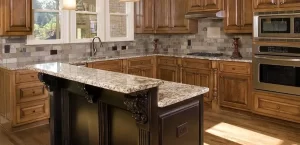
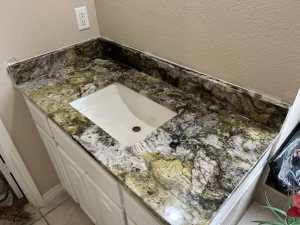
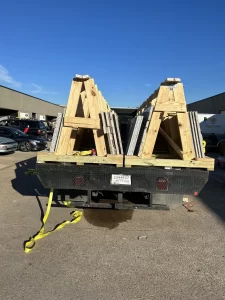
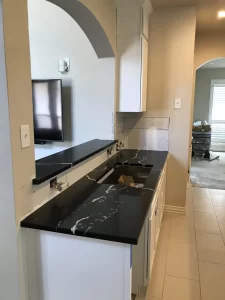
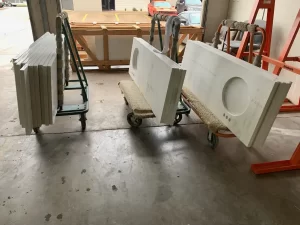
When searching for granite cutting near me, Dallas-area homeowners need a local stone fabricator near me who uses precise techniques to turn raw slabs into custom countertops that fit kitchens and baths perfectly. The right fabricator combines advanced machinery with careful hand finishing so every cut aligns with your cabinets, sinks, and layout without gaps or overhang issues.
Table of contents
- What granite cutting near me involves
- The templating process before any cuts begin
- CNC and waterjet cutting techniques
- Handling different granite and quartzite slabs
- Creating custom shapes and edge profiles
- Quality control steps at a local fabricator
- Common challenges and how fabricators solve them
- Choosing the right stone fabricator near me
- FAQ
What granite cutting near me involves
Granite cutting near me starts long before the slab reaches the shop. A fabricator first reviews your project details, including cabinet layout, sink model, and any islands or peninsulas. They then select the right slab from their inventory and mark the exact cuts needed. This step prevents waste and ensures the final pieces match your space exactly. Local fabricators understand the humidity and temperature swings common in North Texas homes, so they account for slight material movement during cutting and installation.
Precision matters because granite is a natural stone with unique veining and color variation. A skilled stone fabricator near me will orient the slab so the pattern flows naturally across seams and around corners. Poor cutting can waste valuable material or force awkward seams that homeowners notice every day.
The templating process before any cuts begin
Templating happens on site after cabinets are installed. Fabricators use digital laser templating tools to capture every angle, curve, and opening. This data feeds directly into cutting software, eliminating manual measurement errors. Homeowners in areas like Frisco or Plano benefit when the fabricator visits in person because older homes often have out-of-square walls that affect countertop fit.
During templating the team also notes sink cutouts, faucet holes, and any appliance clearances. They photograph the space and review material choices with you so the final cuts respect both the stone’s natural features and your design goals. Accurate templating reduces the chance of costly rework later.
CNC and waterjet cutting techniques
Modern granite fabricators rely on CNC routers and waterjet systems for straight cuts, curves, and sink openings. CNC machines follow the digital template with sub-millimeter accuracy, producing edges ready for polishing. Waterjet cutting uses high-pressure water mixed with abrasive garnet to slice through thick slabs without generating excessive heat that could crack the stone.
These tools let fabricators create complex shapes such as curved islands or L-shaped counters with mitered corners. A local stone fabricator near me can also cut precise notches for cooktops or integrated drainboards. The combination of CNC and waterjet reduces chipping and keeps material waste low, which matters when working with premium granite or quartzite.
Handling different granite and quartzite slabs
Not every slab cuts the same way. Harder granites require slower feed rates on CNC machines, while some quartzite materials benefit from waterjet to avoid micro-fractures. Experienced fabricators test small sections of each slab before full production. They also examine the stone for natural fissures that could open during cutting and adjust the layout accordingly.
Residents searching granite cutting near me often want remnants for smaller projects like bathroom vanities. A fabricator with a well-organized remnant yard can cut those pieces on the same day as larger kitchen tops, saving time and money. Check the Remnants page for current stock.
Creating custom shapes and edge profiles
Custom countertops frequently include radius corners, clipped edges, or integrated backsplashes. Fabricators program these details into the CNC file so every piece matches. Edge profiles such as eased, bevel, or ogee are applied after the main cuts using specialized polishing wheels that follow the same digital path.
Homeowners in Lewisville or The Colony can visit the shop to see sample edges on actual stone before final decisions. This helps match the profile to cabinet style and daily use. A good fabricator explains how each profile affects cleaning and durability in real kitchens.
Quality control steps at a local fabricator
After cutting, every piece undergoes inspection for flatness, seam alignment, and edge quality. Fabricators dry-fit sections on large tables to verify measurements match the template. Any adjustments happen before polishing so the final surface remains consistent.
Local teams also label each piece clearly for installers, noting which edge faces the wall or which side receives the sink. This attention to detail prevents on-site surprises and keeps installation time short for busy homeowners.
Common challenges and how fabricators solve them
Older homes in University Park or Highland Village sometimes have uneven floors or tight doorways that complicate delivery. Fabricators plan cuts in smaller sections when needed and reinforce seams with epoxy for strength. They also coordinate with cabinet makers to resolve any last-minute changes before stone arrives.
Another frequent issue is matching veining across seams on book-matched slabs. Skilled fabricators rotate and flip pieces during layout so the pattern continues smoothly. This level of care turns a standard countertop into a focal point of the room.
Choosing the right stone fabricator near me
Look for a fabricator who offers in-house templating, modern cutting equipment, and a clear process from selection to installation. Ask to see recent projects in neighborhoods such as Grapevine or Coppell. Review their Service Area page to confirm they serve your address and can schedule a shop visit soon.
Working with a local team also means faster turnaround and easier communication if questions arise during fabrication. They understand regional preferences for materials like quartzite and can recommend options that perform well in Texas kitchens.
FAQ
How long does granite cutting take once templating is complete?
Most projects move from template to finished pieces in five to seven business days when the fabricator has the slab in stock. Complex custom shapes or multiple rooms may require additional time for programming and finishing.
Can a fabricator cut granite to fit an existing sink or cooktop?
Yes. During templating the team measures the exact appliance openings and programs precise cutouts. They also confirm clearance for clips and mounting hardware so everything aligns on installation day.
What happens if a seam is visible after cutting?
Fabricators plan seam locations during layout to hide them along cabinet lines or in low-traffic areas. Epoxy color-matched to the stone further reduces visibility, and the team reviews seam placement with you before cutting begins.
Do local fabricators handle both residential and commercial granite projects?
Many shops serve both markets. They adjust cutting schedules and equipment settings for larger commercial jobs while maintaining the same precision standards used on home kitchens. See the Residential and Commercial pages for details.
Is waterjet cutting better than traditional saw methods for granite?
Waterjet cutting produces cleaner edges on intricate shapes and reduces heat-related stress on the stone. Most modern fabricators combine both methods depending on the cut type and material thickness.
Ready to start your custom countertop project? Call (214) 441-7776 today to schedule templating or visit the shop to discuss your layout with our team. Explore current Materials or browse Dallas, TX service details online.