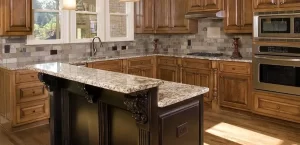
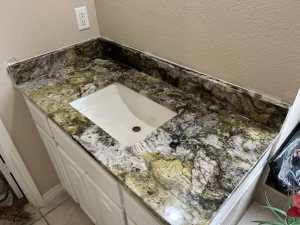
When homeowners in the Dallas area begin comparing honed vs polished granite for new countertops, they quickly discover that the finish choice affects daily appearance, cleaning routines, and how the stone performs in kitchens and baths. Understanding the differences between these two popular granite surface finishes helps residents of Plano, Frisco, and surrounding communities select the right option for their lifestyle and design goals.
Table of contents
- Appearance differences between honed and polished granite
- Maintenance comparison for daily use
- Best kitchen uses for each finish
- Bathroom applications and moisture considerations
- Durability factors in North Texas homes
- Choosing your finish with local fabricators
- FAQ
Appearance differences between honed and polished granite
Polished granite delivers a high-shine reflective surface that highlights the stone’s natural colors and patterns. Light bounces off the surface, making rooms feel brighter and giving a more formal look that many homeowners prefer in open-concept kitchens. Honed granite, by contrast, receives a matte treatment that produces a softer, velvety texture often described as matte granite countertops. The reduced reflection shows more of the stone’s true color depth without glare, which can create a warmer, more organic feel in both traditional and modern Dallas-area homes.
Color selection plays a larger role than many expect. Dark granites such as Absolute Black or Uba Tuba look dramatic when polished yet can appear flatter when honed. Lighter stones with heavy veining often benefit from the honed finish because the matte surface reduces visual busyness. Local fabricators serving Dallas, TX and Frisco, TX encourage clients to view full-size samples under different lighting conditions before deciding.
Maintenance comparison for daily use
Both finishes require regular sealing to protect against stains, yet the cleaning experience differs. Polished surfaces wipe clean easily because liquids bead on the smooth finish, making them forgiving for busy households that cook daily. Honed granite can show water spots and fingerprints more readily, so residents often keep a microfiber cloth handy for quick touch-ups. Etching from acidic foods such as lemon juice or vinegar appears more visible on polished granite, while the same marks blend better into the matte surface of honed stone.
Residents in humid North Texas summers notice that honed finishes hide minor water rings from sinks and dishwashers better than polished ones. Over time, both finishes develop a natural patina that many homeowners find appealing. The key is consistent sealing every 6 to 12 months using products recommended by your fabricator.
Best kitchen uses for each finish
Polished granite works well for large kitchen islands where homeowners want the stone to serve as a visual centerpiece. The reflective surface pairs nicely with pendant lighting and makes food preparation areas feel more open. Honed granite suits perimeter countertops that receive heavy daily use because minor scratches from knives or cookware remain less noticeable. Families with young children often choose honed finishes on lower counters to reduce the appearance of fingerprints and smudges.
Edge profiles also influence the final look. A polished finish with a eased or bullnose edge creates a sleek, contemporary style popular in newer homes throughout Plano, TX. Honed granite with a straight or mitered edge delivers a more understated, craftsman appearance that fits many established neighborhoods in Lewisville, TX.
Bathroom applications and moisture considerations
In bathrooms, polished granite vanities provide a spa-like shine that complements tile and fixtures. The smooth surface resists soap scum buildup when wiped regularly. Honed granite offers a softer, less slippery feel underfoot in shower surrounds and tub decks, which appeals to households seeking a more natural aesthetic. Both finishes perform well when properly sealed, though honed stone may require slightly more frequent sealing in high-moisture zones.
Homeowners updating properties in Flower Mound, TX and Highland Village, TX often select honed granite for master bath countertops to create a calm, hotel-inspired retreat that avoids the high-gloss look of polished stone.
Durability factors in North Texas homes
Granite remains one of the hardest natural stones available, yet the finish affects how wear shows over years of use. Polished surfaces can develop visible micro-scratches in high-traffic kitchens, while honed finishes camouflage those same marks. Heat resistance stays identical for both finishes, so hot pans can rest on either surface without damage. The main consideration remains sealing frequency to prevent staining from cooking oils or bathroom products common in local households.
Residents planning multifamily or commercial projects may lean toward polished granite for easier long-term maintenance across multiple units. Single-family homeowners frequently prefer honed finishes for their forgiving appearance in family kitchens and baths.
Choosing your finish with local fabricators
Working with experienced fabricators allows you to see full slabs under natural and artificial light before templating. Many shops maintain remnant inventory that lets customers test both finishes on the same stone type. Discussing your daily routines, lighting conditions, and design preferences helps the team recommend the best option for your specific space.
Local experts also guide edge details, sink cutouts, and seam placement so the final installation meets expectations. Homeowners throughout the Metroplex benefit from visiting showrooms in person to compare Materials side by side rather than relying on small samples alone.
FAQ
Does honed granite require more sealing than polished granite?
Both finishes need sealing on the same schedule, typically every 6 to 12 months depending on use. The matte surface of honed granite simply shows water spots more readily, prompting some homeowners to seal slightly more often for appearance reasons.
Which finish hides scratches better in a busy kitchen?
Honed granite generally masks minor surface marks more effectively because the matte texture diffuses light. Polished granite can reveal fine scratches over time, especially on darker stones used as primary work surfaces.
Can I change the finish after installation?
Once granite is installed, changing from polished to honed or vice versa requires professional resurfacing equipment. Most homeowners decide on the finish during the selection stage to avoid additional labor later.
Is one finish better for homes with hard water?
Honed granite tends to hide water spots from hard water better than polished surfaces. Residents in areas with mineral-heavy water often choose the matte option for bathroom vanities and kitchen sinks.
Do both finishes work equally well with under-cabinet lighting?
Polished granite reflects under-cabinet lighting dramatically, creating a bright focal point. Honed granite absorbs more light and produces a softer glow that many find preferable in evening kitchen use.
Ready to explore honed vs polished granite options for your home? Contact AA Granite Fabrication Center today at (214) 441-7776 or visit Request A Quote to schedule a showroom visit and discuss the best granite surface finishes for your project.