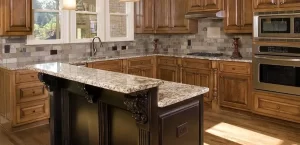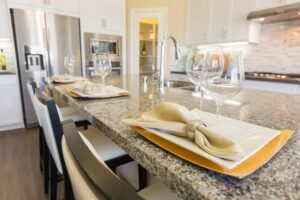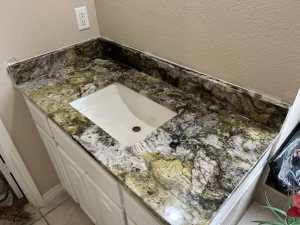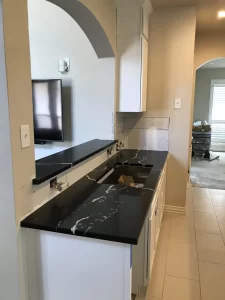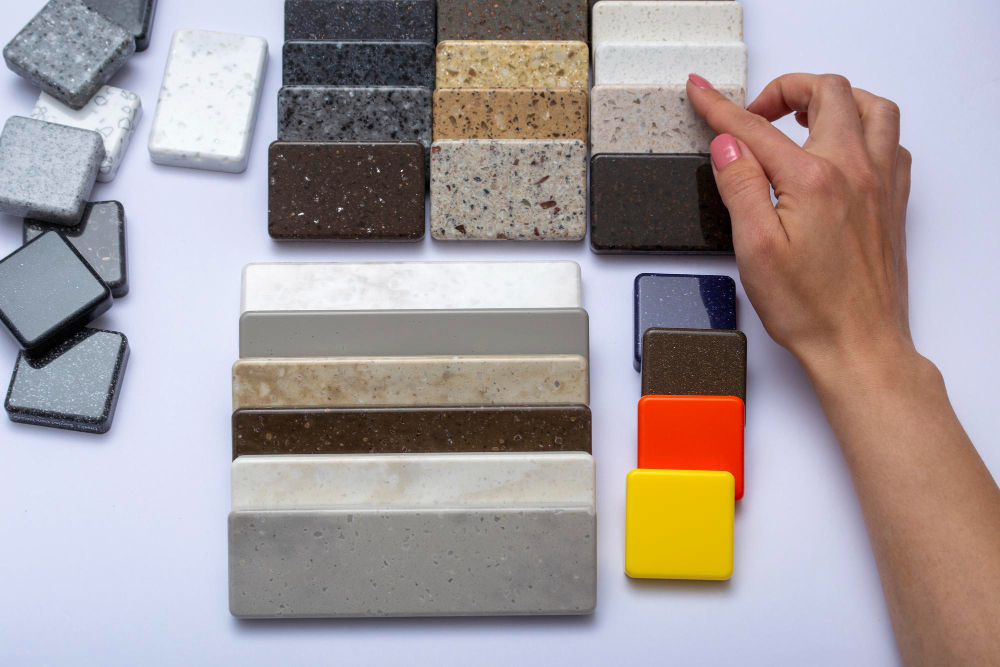
Choosing granite edge profiles changes how a kitchen feels—and how the stone wears at the corners people bump every day. This guide walks through the common edge shapes, when a simple profile is smarter than a fancy one, and what to decide with your fabricator before templating starts.
Table of contents
- What granite edge profiles are
- Popular profiles and when they fit
- Durability, cleaning, and real kitchens
- Thickness, overhangs, and sinks
- How to choose with samples in hand
- Mistakes to avoid when picking an edge
- Cost, fabrication time, and next steps
- FAQ
What granite edge profiles are
An edge profile is the finished shape along the exposed front (and sometimes sides) of a countertop. After the slab is cut to your template, fabricators grind and polish that edge so it looks intentional—not raw. The same granite can look soft and traditional with a full bullnose, or crisp and modern with an eased or straight edge.
Edge choice is not only style. A thicker, more rounded profile can hide small chips better over years of use. A thin, sharp look can show every ding. Your fabricator should talk through both appearance and maintenance before anyone cuts stone.
Browse the shapes we show in person on our edge profiles page, then match them to your cabinets and sink model during a shop visit.
Popular profiles and when they fit
Eased / pencil / straight. Softened square edges with a light round-over. Clean look, easy to wipe, pairs well with flat-panel cabinets and quartz-like modern kitchens—even when the material is natural granite.
Bevel. Angled face on the top edge. Adds a shadow line without as much “furniture” feel as ogee. Works on islands where you want definition without a heavy traditional profile.
Half bullnose / full bullnose. Rounded profiles that feel softer to the forearm and are common in family kitchens. Full bullnose wraps more of the edge; half bullnose rounds the top while keeping a flatter underside.
Ogee and duplicate ogee. Classic S-curve profiles that read formal. They look best when the granite has quieter movement; busy stones plus ornate edges can compete for attention.
Dupont, waterfall, and specialty shapes. Available when the stone thickness and layout allow. Ask early—some profiles need more material at the edge or change how seams and sink cutouts are planned.
Durability, cleaning, and real kitchens
People lean on island edges, drag grocery bags across them, and park stools underneath. Rounded profiles tend to shrug off glancing hits better than knife-sharp corners. That does not make an eased edge “fragile”—it means you should be honest about how the kitchen is used.
Cleaning is similar across profiles: non-abrasive cleaners and soft cloths. Deep grooves in ornate edges can hold crumbs and need a soft brush now and then. If you want the lowest-maintenance wipe-down, keep the profile simpler.
Granite still needs sealing appropriate to the finish and stone. Edge choice does not replace that care conversation—see how material behavior differs on our granite page when you are comparing stones.
Thickness, overhangs, and sinks
Most residential tops use 3 cm material in this market, though projects vary. Thicker edges look more substantial; laminated edges can create a thicker appearance when the design calls for it. Confirm thickness before you fall in love with a profile photo online—the same shape looks different on 2 cm vs 3 cm stock.
Overhangs matter for seating islands. Extra projection needs support; your fabricator and cabinet installer should agree on brackets or corbels. Sink type (undermount vs drop-in) also interacts with the front edge: undermounts put more of the polished edge in the wet zone, so polish quality and sealant at the sink lip matter.
If you are still choosing material, pair this decision with our materials overview and a walkthrough of residential fabrication so edge, stone, and layout stay on one plan.
How to choose with samples in hand
- Hold edge samples against your cabinet door and floor samples in the room’s light—not only under shop LEDs.
- Run your hand along the profile; comfort matters on breakfast bars.
- Ask to see a recent install with the same edge in a similar stone color.
- Decide the island and perimeter edges together; mixing profiles can look intentional, but it should be a choice, not an accident.
- Lock the sink model before final edge approval so cutouts and reveal lines stay clean.
A short shop visit often settles the debate faster than endless phone photos. Our guide on what to expect at a fabrication shop covers what to bring.
Mistakes to avoid when picking an edge
Choosing only from a tiny phone photo is the most common regret. Profiles look taller or softer depending on slab thickness, polish, and how close the camera was. Always confirm against a physical sample the fabricator can leave with your color board.
Another trap is approving an ornate edge after the sink and faucet are already ordered for a different reveal. Undermount sinks put the front edge in the splash zone; a deep ogee can look busy next to a modern faucet, while an eased edge can look unfinished next to a traditional bridge faucet. Align plumbing, cabinets, and stone in one conversation.
Finally, do not assume every edge is available on every remnant or every small vanity piece. Tight corners and short returns need enough material to shape. If you are shopping leftovers, ask whether your favorite profile still fits the usable area—our remnants team would rather redirect you early than force a profile that chips the corner.
Cost, fabrication time, and next steps
More complex profiles take more machine and hand time, so they usually cost more than an eased edge. That premium is for labor and tooling, not a different “grade” of granite. Timeline-wise, edge work sits inside the normal fabrication window after templating—ornate edges rarely change the calendar as much as cabinet readiness does.
Once cabinets are set and leveled, templating captures the true layout. Fabrication follows your approved drawings, including the edge you signed off on. Install day is when you finally see the profile against your real lighting.
If your project is a full remodel, build a simple decision order: cabinets and layout first, sink and faucet second, stone and edge third, then template. Skipping ahead to a decorative edge before the sink model is firm is how change orders start. Contractors and designers can send drawings ahead of a slab pull; homeowners often start with a showroom walk and samples.
Ready to compare samples? Call (214) 441-7776, contact us, or request a quote with photos of your cabinets and a short list of edge styles you like.
FAQ
Can I use different edges on the island and the perimeter? Yes, when it is planned. Many kitchens keep a simpler edge on the walls and a more decorative edge on the island seating side.
Does a fancy edge make granite harder to seal? Sealing depends on the stone and finish more than the profile. Ornate edges just need a little more attention when you wipe and reseal.
Will my dishwasher or appliance panel hide a profile? Side edges against walls or tall panels are often unfinished or lightly finished. Tell the shop which edges will be exposed.
Should I match quartz photos if I am buying granite? Use granite samples. Photos of engineered edges do not always translate to natural stone thickness and polish.
Pick the granite edge profile that matches how you cook and clean—not only the picture that looked best on a phone. When you are ready, we will cut and polish that choice so it looks intentional on install day.