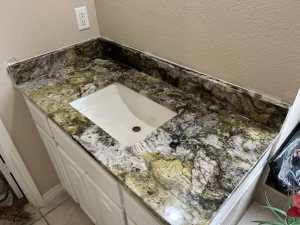
Learning how to remove stains from granite countertops safely helps Dallas-area homeowners protect their natural stone surfaces without causing damage or dulling the finish. Effective granite stain removal relies on gentle, pH-neutral methods that lift spills such as oil, wine, coffee, and soap scum while preserving the sealant layer that keeps moisture out of the stone.
Table of contents
- Understanding how granite stains form
- Common household stains and safe removal steps
- General cleaning process for any stain
- Prevention tips for daily use in North Texas homes
- When to call professionals for granite stain removal
- Local Dallas-area considerations
- Common mistakes homeowners make during granite stain removal
- Practical daily and weekly maintenance checklist for granite countertops
- FAQ
Understanding how granite stains form
Granite is a natural igneous stone with microscopic pores that can absorb liquids if the surface is not properly sealed. Over time, cooking oils, acidic beverages, and colored cosmetics seep into these pores and create visible discoloration. Because granite varies in density depending on the quarry, some slabs resist staining better than others, which is why homeowners often review Materials pages before selecting a new countertop. Local variations in water hardness across the metroplex also play a role, as mineral-rich water can leave behind deposits that look like stains but require different treatment than organic spills. Understanding these factors helps residents in areas such as Dallas, TX choose the right ongoing care routine from the start.
Common household stains and safe removal steps
Oil-based stains from butter, olive oil, or makeup respond best to a poultice made from baking soda and water. Mix the two into a thick paste, apply a quarter-inch layer over the stain, cover with plastic wrap, and tape the edges. Leave the poultice in place for 24 to 48 hours so it draws the oil back out of the pores. Remove the dried paste with a plastic scraper and rinse with a mild dish soap solution. Organic stains such as coffee, tea, or red wine require a different approach. Create a poultice using hydrogen peroxide and a few drops of ammonia instead of baking soda. Apply the same way, allow it to sit overnight, then rinse thoroughly. Always test any mixture on an inconspicuous corner first to confirm it does not lighten the stone. Ink or marker stains from pens or markers can be treated with a small amount of acetone on a cotton ball, but limit contact time to under two minutes and rinse immediately with water. Never use straight bleach or abrasive powders, as these can etch the surface or remove the protective sealant. For stubborn cases that appear in high-use kitchens throughout Frisco, TX, repeating the poultice process once more often clears the remaining discoloration without professional intervention.
General cleaning process for any stain
Begin every stain removal session by wiping the area with a soft microfiber cloth and warm water to remove loose debris. Next, apply a pH-neutral stone cleaner in circular motions. For stubborn spots, prepare the appropriate poultice described above and follow the dwell time instructions exactly. After the poultice is removed, rinse the surface with clean water and dry completely with a towel to avoid water spots. Reapply a high-quality impregnating sealer every 12 to 18 months, especially in high-traffic kitchens serving homes in Frisco, TX and surrounding communities. Homeowners who also maintain Backsplash surfaces should use the same gentle cleaners on vertical stone to keep the entire installation looking consistent.
Prevention tips for daily use in North Texas homes
Place trivets under hot pans and coasters under glasses to reduce the chance of thermal shock or ring marks. Wipe spills within five minutes whenever possible, because even sealed granite can absorb liquids after prolonged exposure. Use a dedicated cutting board rather than cutting directly on the stone. Consider adding a monthly maintenance routine listed in the Tips & Tricks section to keep the sealant intact longer. Families in Plano, TX and Lewisville, TX also benefit from keeping a spray bottle of approved stone cleaner near the sink for quick daily touch-ups after meal prep.
When to call professionals for granite stain removal
Deep or recurring stains that return after multiple poultice attempts usually indicate the sealant has worn away or the stain has penetrated too far for DIY methods. In these cases, professional refinishing restores the original color and reapplies a penetrating sealer. Local fabricators serving Dallas, TX and nearby cities can assess the countertop on site and recommend the safest restoration steps. Residents exploring Residential services often find that a single visit addresses both stain removal and long-term protection planning.
Local Dallas-area considerations
Hard water in many North Texas municipalities can leave mineral deposits that mimic stains. Residents in Plano, TX and Lewisville, TX often benefit from using distilled water for final rinsing during cleaning sessions. Seasonal humidity changes can also affect how quickly sealers break down, so checking the surface with a water-drop test every six months helps homeowners stay ahead of potential staining issues. Those living near Carrollton or The Colony, TX should also factor in construction dust from nearby development, which can settle into pores if not wiped away promptly.
Common mistakes homeowners make during granite stain removal
One frequent error is leaving acidic cleaners such as vinegar or lemon juice on the surface for more than a few seconds, which gradually dulls the polish even on well-sealed stone. Another common issue occurs when people scrub too aggressively with abrasive pads or scouring powders, creating micro-scratches that trap future spills. Skipping the final rinse step after a poultice can leave behind baking soda residue that attracts moisture and creates new discoloration over time. Homeowners sometimes apply heat directly to speed up drying, but this can cause uneven sealant curing or even small cracks in the granite. Using the wrong poultice formula on a particular stain type, such as attempting an oil-based mix on a wine spill, wastes time and may spread the problem rather than solve it. Checking the Tips & Tricks section regularly helps avoid these pitfalls before they require professional correction.
Practical daily and weekly maintenance checklist for granite countertops
Daily care starts with a quick wipe using a damp microfiber cloth after every meal to remove crumbs and light spills before they set. Once a week, apply a pH-neutral stone cleaner in gentle circles, then dry thoroughly to prevent water spots from hard local water. Every two weeks, inspect high-use areas near the sink and cooktop for any early signs of dulling that could indicate sealant wear. Monthly, perform the water-drop test on several sections of the countertop and note results in a simple household log. Every three months, review the condition of nearby Cabinet surfaces and ensure no cleaning products are migrating onto the stone edges. Twice a year, schedule a deeper inspection that includes checking seams and edges for any separation that might allow moisture underneath. Following this routine consistently reduces the need for intensive stain removal later and keeps surfaces looking new longer in busy North Texas households.
FAQ
Can I use vinegar to remove stains from granite countertops?
Vinegar is acidic and can etch the polished surface of granite over time. Stick to pH-neutral cleaners or the poultice methods described above for safe granite stain removal.
How long should a poultice stay on a stain?
Most oil and organic stains require 24 to 48 hours of contact time. Check the poultice after 24 hours; if the stain remains visible, apply a fresh layer and extend the dwell time.
Is it safe to use baking soda on all granite colors?
Baking soda is generally safe on light and dark granites when mixed with water into a paste. Always test first on a small area to ensure no color change occurs.
When should I re-seal my granite after stain removal?
Re-seal whenever water no longer beads on the surface. In the Dallas climate this often occurs every 12 to 18 months depending on daily use and cleaning habits.
Can heat from a hot pan cause permanent stains?
Excessive heat can cause thermal shock that leads to cracks or discoloration. Use trivets to prevent both heat damage and potential staining from food residues.
Keeping granite countertops stain-free starts with prompt cleanup and consistent sealing. Homeowners ready to restore or maintain their surfaces can request professional assistance through the Request A Quote page or call (214) 441-7776 to schedule an on-site evaluation.